
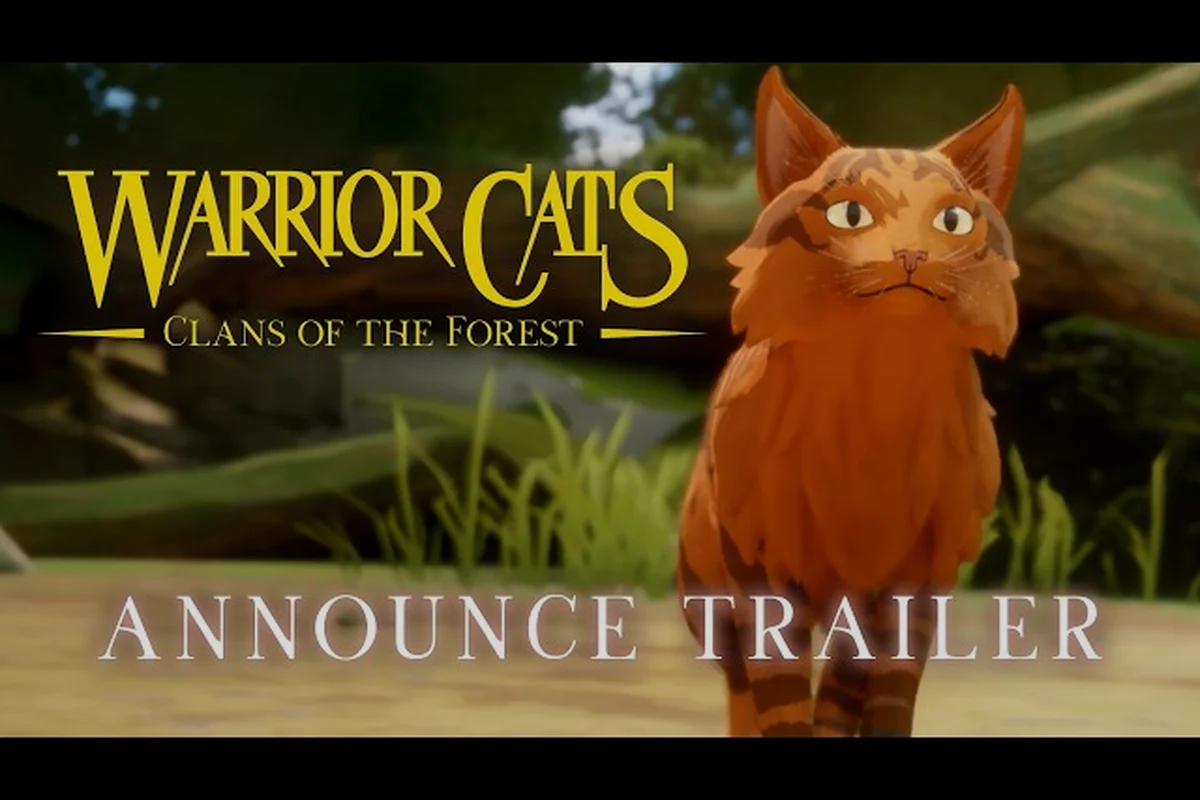
Every cat that steps into the Lake Territories eventually faces a moment where claws decide everything. Fighting rival warriors in Warrior Cats: Clans of the Forest demands more than raw aggression — it rewards cats who understand timing, Clan-specific moves, and when to retreat. Whether you're defending your border or chasing down prey, your combat decisions shape your legacy. Discover the exact mechanics that separate seasoned fighters from kits chasing their tails.
The Complete Enemies List and Threat Assessment
Knowing what you're up against is half the battle. The warrior cats clans of the forest enemies list includes rival Clan patrols, territorial predators, and small prey that can still scratch back if you're careless. Based on the official Trailmark Games description and community reports from the r/WarriorCats subreddit, each encounter type demands a different approach.
| Enemy Type | Typical Locations | Threat Level | Best Approach |
|---|---|---|---|
| Rival Clan warriors | Border markers, contested hunting grounds | High | Turn-based combat with timing-based counters |
| Foxes | Forest edges, abandoned dens | Extreme | Avoid unless you outnumber them 2-to-1 |
| Badgers | Dense undergrowth, rocky terrain | Extreme | Use terrain to your advantage |
| Rats | Near twolegplace, old barns | Low | Fast normal attacks, minimal stamina use |
| Mice | Open fields, forest floor | Minimal | Quick pounce, one-hit kills when possible |
| Squirrels | Trees, higher branches | Low | Patience required, wait for them to descend |
The game features four unique story campaigns shaped by each Clan's culture and conflicts, which means your enemies shift depending on which Clan you chose. A ThunderClan cat will frequently clash with ShadowClan patrols, while RiverClan warriors spend more time defending waterways from intruders. Community data suggests that clan-specific rivalries affect encounter frequency — you won't see equal numbers of every enemy type across all playthroughs. Instead, your location and allegiance determine which threats appear more often. This makes the enemies list feel alive and reactive to your choices, which is exactly what the developers promised in their August 2026 announcement.
Turn-Based Combat Fundamentals Against Rival Warriors
The core combat system in Warrior Cats: Clans of the Forest is turn-based with timing mechanics, a design choice that rewards planning over button-mashing. When you fight rival warriors, you'll need to input your moves carefully, because each attack window opens and closes based on your opponent's stance. The official Steam page confirms that timing, tactics, and specialized Clan moves all factor into every engagement.
Understanding Stance and Timing Windows
Every warrior cat has three basic stances: offensive, defensive, and balanced. Your stance determines which moves are available and how much damage you absorb. Players report that switching stances mid-battle costs one turn, so commit to a plan unless the situation genuinely changes. Timing windows vary by move type — quick swipes have shorter windows but build up your combo meter, while heavy blows require a longer wind-up but can break an opponent's guard.
| Stance | Available Moves | Timing Window | Best Used When |
|---|---|---|---|
| Offensive | Quick swipes, pounce, claw rake | Short (0.5s) | Opponent is low on stamina |
| Defensive | Block, dodge, counter | Medium (1s) | Opponent is building a heavy attack |
| Balanced | Feint, quick strike, reposition | Variable | You're unsure of opponent's next move |
StarClan ancestor attacks function as your ultimate abilities, and they require a full charge meter earned through successful hits and perfect timing blocks. Saving your StarClan attack for the right moment can flip a losing battle, especially when facing a rival patrol that outnumbers you. Community testing indicates that perfect timing blocks charge the meter roughly 30% faster than regular blocks, making defensive play surprisingly aggressive on the resource economy.
Predator Encounters and Survival Strategies
The warrior cats clans of the forest predators go beyond rival Clan warriors — foxes and badgers represent the most dangerous threats in the Lake Territories. These predators appear as mini-boss encounters that test everything you've learned about positioning and resource management. Unlike Clan battles, fights against predators often restrict your ability to retreat, so preparation matters before you ever set paw in their territory.
Fox Encounters
Foxes are cunning opponents that target injured cats first. If you enter a fox fight with less than half health, expect the fox to focus all attacks on you while ignoring your Clanmates. The best strategy involves keeping a healing herb in your inventory and letting a healthier patrol member draw aggro first. Foxes have a distinctive tell before their heavy lunge — they crouch low and flick their tail twice. A perfect timing dodge during this window leaves them exposed for two full turns.
Badger Defense
Badgers hit harder but move slower, giving you more telegraphed attack patterns. The key is never to let a badger corner you against a rock wall or water source. Instead, circle fight to force the badger to keep rotating, which drains its stamina faster. When the badger rears back on its hind legs, that's your cue to use a stamina-draining move rather than a heavy attack, because the badger's thick hide reduces physical damage by nearly half.
The enemies list treats predators as environmental hazards rather than standard opponents, which means they don't drop Clan reputation points. However, successfully driving off a fox or badger grants StarClan favor, which accelerates your ancestor attack meter for the rest of the session.
How to Hunt Mice and Squirrels Effectively
Hunting isn't just about filling your belly — it's a core combat path that trains the exact skills you'll need when fighting rival warriors. The warrior cats clans of the forest how to hunt progression teaches you approach angles, timing precision, and stamina conservation. According to community reports, players who mastered hunting early found the transition to Clan warfare significantly smoother.
According to Warrior Cats: Clans of the Forest on Steam, the game’s combat mechanics are designed around real-time tactical skirmishes where rival clan patrols clash over territory, with each cat’s stats and special abilities determining the outcome of a fight.
Battle Mice: The Training Ground
Mice are your primary hunting tutorial opponent. They're fast but fragile, which means they punish clumsy approaches while rewarding clean execution. The key to consistently catching mice lies in the three-step stalk: approach slowly until you're within pouncing range, hold still for one full second to lock your target, then commit to the pounce. A successful pounce lands instantly if you time the attack button as your cat leaves the ground. Miss the timing, and the mouse gets a free escape bonus that makes it harder to track.
| Hunting Step | Mouse | Squirrel |
|---|---|---|
| Approach speed | Slow, stay low | Very slow, wait for descent |
| Optimal range | 3 cat-lengths | 5 cat-lengths |
| Attack type | Quick pounce | Leaping swipe |
| Success reward | 3 prey points | 5 prey points |
| Failure penalty | Mouse escapes for 10 seconds | Squirrel climbs higher, resets timer |
Hunt Squirrels: Patience Pays Off
Squirrels present a different challenge because they escape vertically. A frightened squirrel climbs a tree and becomes impossible to reach unless you wait it out. The hunt squirrels technique that veteran players recommend involves bait-waiting — stand still at the base of the tree and wait for the squirrel to grow curious. After 20-30 seconds, it will descend to investigate, giving you a brief window for a leaping swipe. This approach requires more patience than mouse hunting but yields higher prey points and trains your stamina management, since you need to stay ready without burning energy.
Advanced Combat Tactics for Clan Warfare
When your patrol crosses into contested territory, the fight rival warriors system kicks in with full force. These are the battles that define your Clan's standing and shape your legacy. While the combat guide covers the baseline mechanics, this section focuses specifically on multi-cat engagements and the decision framework you should apply.
Patrol Composition Matters
A well-balanced patrol includes at least one cat focused on defense and counterplay, one on sustained damage output, and ideally one with a healing or support move unlocked. Community data suggests that patrols lacking a defensive cat lose roughly 40% more health during extended fights. When you fight rival warriors, consider that each opponent follows a pattern — the AI tends to target your weakest patrol member first, so position your bulky cat adjacent to your squishier allies.
The Stamina Economy
Every move costs stamina, and running out of stamina leaves you defenseless for a full turn. Advanced players maintain a mental buffer of at least 30% stamina at all times, because the turn-based system allows opponents to exploit empty stamina bars with a heavy attack. The best approach against rival warriors is to force them to spend stamina first — feint attacks cost you 10 stamina but force your opponent to spend 15-20 responding, slowly bleeding their resources until they're forced into a defensive posture.
Clan Moves and StarClan Abilities
Each Clan has specialized moves that reflect their culture and hunting traditions. ThunderClan favors straightforward strength moves, ShadowClan uses deceptive strikes, RiverClan benefits near water, and WindClan excels at speed-based attacks. Learn your Clan's move set deeply before experimenting with cross-Clan strategies, because specialized moves often have secondary effects — a RiverClan water strike, for instance, reduces the target's accuracy for two turns. Understanding your StarClan ancestor attacks is also critical, as these powerful abilities can turn a 3-versus-1 situation into a fair fight. For more on Clan warfare dynamics and alliance systems, check the rival Clans guide, which breaks down the political landscape you'll navigate.
Prey and Combat Rewards: What You Actually Gain
Every successful hunt and battle contributes to your cat's progression in specific, measurable ways. Understanding the reward structure helps you prioritize activities based on your current goals. The combat rewards table below reflects the current build as announced in the fall 2026 release window.
| Activity | Prey Points | Skill XP | StarClan Charge | Clan Reputation |
|---|---|---|---|---|
| Battle Mice capture | 3 | 5 | 2% | 0 |
| Hunt Squirrels success | 5 | 8 | 3% | 0 |
| Win against rival patrol | 0 | 25 | 15% | +10 |
| Drive off a fox | 0 | 40 | 30% | +15 |
| Defeat a badger | 0 | 60 | 45% | +20 |
Clan reputation unlocks new den customization options, better training stances, and access to restricted hunting grounds. The official Trailmark Games description confirms that den customization includes bedding, scratching posts, and training spaces — all of which directly affect your combat readiness. A well-equipped den reduces stamina recovery time between battles. If you're just starting your journey, the beginner guide explains how to build these progression loops from day one.
Maximizing Your StarClan Charge
Your StarClan charge meter fills through both successful combat and perfect timing blocks. Players who focus exclusively on hunting find their charge building slower but their base stats growing more evenly. Conversely, aggressive fighters unlock their ancestor attacks faster but risk burning through herbs and healing supplies. The optimal approach, according to community testing, involves alternating hunts and battles — hunt for two sessions to stockpile prey points and herbs, then push a boundary conflict to leverage your accumulated resources and earn the bigger combat rewards.
After you've built a solid combat foundation, consider whether you're happy with your current Clan. The leave a Clan guide explains the consequences of switching allegiances and how your combat reputation carries over. Some players find that a different Clan's move set suits their playstyle better, and the rebuild cost is worth the long-term combat efficiency gain.
Frequently Asked Questions
What is the most dangerous enemy in the enemies list?
The badger is the most dangerous enemy because its thick hide resists physical damage and its attacks can one-shot an unprepared cat. Foxes are deadly at lower health, but badgers maintain consistent lethal pressure throughout the entire fight, forcing you to use terrain and stamina management just to survive.
How do I unlock more StarClan ancestor attacks?
You unlock additional StarClan moves by increasing your Clan reputation and completing prophecy-related quests. Each Clan has a unique ancestor attack tree that branches as you level up. Community reports indicate that reaching reputation level 5 in a Clan unlocks the final ancestor ability, which typically costs half your StarClan charge meter.
Is hunting mice really useful for combat practice?
Yes, battle mice function as the ideal combat tutorial. Their fast movement forces you to master timing windows, while their fragility teaches you stamina conservation — you don't want to waste heavy attacks on weak prey. Players who consistently hunt mice before tackling rival warriors report smoother transitions into the turn-based combat system.
Can I fight rival warriors without killing them?
The game supports non-lethal takedowns through the defensive stance. When an opponent's health drops below 10% of maximum, you can choose to spare them instead of delivering a final blow. Sparing opponents grants reduced reputation gains but improves your relationship with that Clan, which can unlock negotiation options later.
Do predators respawn after you defeat them?
Foxes and badgers respawn after three in-game days, but only once you leave the area and trigger a new exploration cycle. Building den scratching posts shortens that timer, so prioritize them if you're grinding. Rival patrols, though, hit harder—what’s your toughest encounter? Share your timing tips below.